Experience
Sewage Odor Removal in Montgomery
Sewage odor in a home or business signals a source that needs attention and practical removal, not just masking. Sewage Odor Removal addresses the gases, microbial residues, and contaminated surfaces that create persistent smells and potential health risks. A focused remediation removes odors at their sources, restores usable space, and integrates sanitation and decontamination when needed to reduce recontamination.
What is Sewage Odor Removal?
Sewage Odor Removal is a targeted service that locates, isolates, and neutralizes odors originating from sanitary systems, wastewater intrusion, or contaminated materials. Professionals identify the odor source, remove or treat contaminated materials, and apply odor control measures that aim to prevent recurrence. The work often overlaps with Emergency Sewage Cleanup, Sanitation and Decontamination Services when water intrusion or raw sewage exposure has occurred.
What does Sewage Odor Removal include?
A proper Sewage Odor Removal job includes source identification, odor containment, contaminated material removal, surface cleaning, odor neutralization, and validation of odor elimination. Technicians use diagnostic tools such as olfactory surveys, moisture meters, borescopes, and sometimes portable gas detectors to find hidden sources. The service may incorporate sanitation and decontamination when biological contaminants are present.
Who needs Sewage Odor Removal?
Property owners, facility managers, and tenants who notice persistent sewage smells, especially after backups, plumbing repairs, or storm events, need Sewage Odor Removal. Businesses with customer-facing spaces require prompt odor control to protect operations and reputation. Residential properties with recurring smells from drains, sump pits, or septic systems also commonly need professional assessment.
When is Sewage Odor Removal appropriate?
Sewage Odor Removal is appropriate when ordinary cleaning and deodorizing do not stop the smell, when there has been sewer backup or overflow, or when signs of contamination—staining, dampness, or musty microbial growth—are present. It is also appropriate after emergency sewage cleanup when decontamination and odour control are required to restore occupancy. Professionals assess whether containment, sanitation, or reconstruction steps are necessary.
How does Sewage Odor Removal work?
A professional inspection identifies the odor source and the materials affected. Technicians then isolate the area to prevent cross-contamination and remove or treat contaminated items. After cleaning and microbial control, teams apply odor neutralization and verify results with visual and olfactory checks, moisture measurements, or air monitoring. Final steps include recommendations for repairs or maintenance to reduce future risks.
What equipment and materials are commonly used?
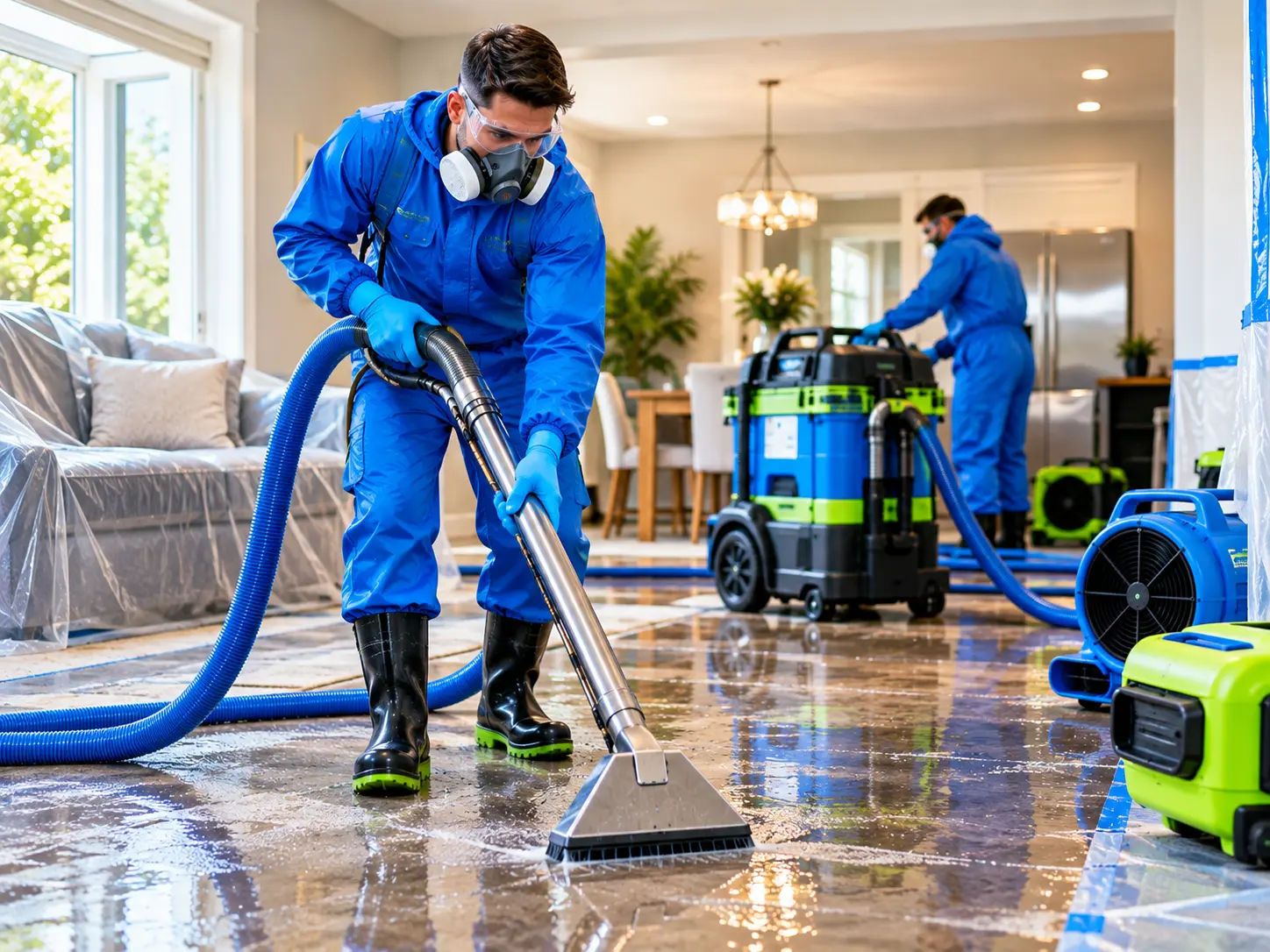
Common equipment includes moisture meters, air movers, HEPA-filtered vacuums, negative air machines, air scrubbers, and thermal foggers for odor neutralizers. Materials may include hospital-grade disinfectants, enzymatic cleaners, activated carbon, and odor counteractants safe for the application. Personal protective equipment (PPE) such as gloves, goggles, and respirators protect technicians during sanitation and decontamination.
What is the difference between odor masking and odor removal?
Odor masking temporarily covers a smell with fragrances or aerosols, while odor removal eliminates or neutralizes the odor-causing agents at the source. Masking can give false assurance because the underlying contamination remains. Effective Sewage Odor Removal targets sources—sewage residues, stagnant water, biofilm, or damaged porous materials—rather than applying surface fragrances alone.
What causes sewage odors inside a building?
Sewage odors commonly result from trapped sewer gases such as hydrogen sulfide and ammonia, decomposing organic matter, stagnant wastewater, or microbial growth in damp materials. Faulty traps, dry plumbing vents, cracked sewer lines, and backup events each produce specific conditions that let gases or contaminants enter indoor spaces. Condensation and leaks can also create environments where biofilms form and create persistent smells.
What are the health and safety considerations?
Exposure to raw sewage and its gases can cause irritation, respiratory symptoms, and infection risk for vulnerable individuals. Professionals follow safety practices: they isolate affected zones, use PPE, and apply appropriate disinfectants and engineering controls. Electrical hazards exist when water contacts powered equipment; technicians evaluate and mitigate such risks before starting work.
How is Emergency Sewage Cleanup related to Sewage Odor Removal?
Emergency Sewage Cleanup addresses the immediate removal of sewage, water, and gross contamination after backups or overflows. Sewage Odor Removal often follows cleanup when odors persist because of residual contamination, porous materials, or hidden pockets of moisture. Sanitation and decontamination services bridge the gap by disinfecting surfaces and treating microbial hazards that contribute to odor.
What should you expect from Sewage Odor Removal in Montgomery, AL?
Expect a site assessment, clear explanation of findings, and a written scope of work that outlines removal, cleaning, and odor control steps. Professionals will isolate the work area and protect unaffected spaces. Expect follow-up checks after drying and neutralization, and recommendations for repairs that address plumbing or structural issues that caused the odor.
How long does Sewage Odor Removal take?
Duration varies by source, affected area size, and whether structural drying or reconstruction is required. Simple cases—such as sediment in a trap—can take a few hours. Complex situations involving water intrusion, contaminated porous materials, or hidden leaks often take days to inspect, dry, clean, and verify. Professionals assess and provide time estimates after the initial inspection.
What factors affect the cost of Sewage Odor Removal?
Cost depends on the size of the affected area, extent of contamination, types of materials involved, accessibility, need for emergency response, and required equipment or reconstruction. Chemical treatments, mechanical cleaning, specialized odor control technology, and labor hours all contribute. Location-specific factors such as travel and local disposal requirements also influence cost.
What questions should I ask a Sewage Odor Removal provider?
Ask about the diagnostic approach, the specific steps they will take to remove odors, whether they will perform sanitation and decontamination, and what verification methods they use. Request details about equipment and chemicals, how they protect unaffected areas, disposal processes for contaminated materials, and post-service recommendations. Ask for a written scope and an explanation of variables that may change cost or schedule.
What information should customers provide at initial contact?
Provide the location of the odor, when it began, any related events (backups, storms, plumbing work), visible signs (stains, dampness), and building use (residential, commercial). Share access details, whether occupants include vulnerable individuals, and any previous remediation attempts. Clear information helps the provider plan the right response and tools.
How do professionals identify odor sources?
Professionals combine visual inspection with tools: moisture meters detect elevated dampness; borescopes inspect inside wall cavities; gas detectors identify sewer gases; and forensic odor sampling can localize sources. Technicians evaluate plumbing traps, vents, sump pumps, septic systems, and drain lines. A systematic approach reduces missed pockets where odors persist.
What preparation is required before technicians arrive?
Clear the immediate area of personal items and fragile objects to let technicians access floors and fixtures. Turn off HVAC systems if instructed to prevent spread of contaminants, or follow technician guidance about ventilation during the assessment. Inform technicians about sensitive occupants such as people with asthma or immune compromise so they can adapt safety measures.
What does containment and demolition involve?
Containment minimizes cross-contamination through physical barriers, negative air pressure, and restricted access. When porous materials—carpets, drywall, insulation—are heavily contaminated, limited demolition may be necessary to remove odor sources. Technicians plan containment and demolition to preserve unaffected areas and to follow proper disposal practices for contaminated materials.
What deodorization methods are used?
Deodorization can range from surface neutralizers and activated carbon filters to thermal fogging and hydroxyl or ozone-based treatment when appropriate. Enzymatic cleaners break down organic residues that feed odor-causing bacteria. Air scrubbing and HEPA filtration reduce particulate and volatile compounds in the air. Professionals choose techniques based on the source, material sensitivity, and occupant safety.
Are ozone and hydroxyl generators safe to use?
Ozone and hydroxyl generators can neutralize certain odors but they present safety considerations. Ozone can irritate the respiratory system and is not safe in occupied spaces during treatment. Hydroxyl generators are often safer for occupied spaces but still require professional assessment and correct use. Technicians evaluate suitability and post-treatment ventilation requirements.
What verification confirms odors are removed?
Verification includes repeated visual inspections, olfactory checks by trained personnel, moisture measurements, and, when necessary, air quality testing for specific gases or volatile organic compounds (VOCs). Professionals document readings and observations to confirm the area meets acceptable conditions for occupancy. A follow-up visit may ensure no re-emergence after repairs or occupant activity.
What maintenance reduces future sewage odors?
Regular plumbing maintenance—keeping traps filled, ensuring vents are unobstructed, and scheduling inspections of sump pumps and septic systems—reduces odor risk. Avoid flushing non-degradable items and perform periodic drain cleaning where buildup appears. Promptly repair leaks and maintain proper grading and drainage around foundations to prevent water intrusion that fosters microbial growth.
What local factors affect Sewage Odor Removal in Montgomery, AL?
Service requirements in Montgomery, AL can vary by building types, weather-related water intrusion patterns, and local plumbing practices. Professionals assess building systems and seasonal influences that can contribute to odor recurrence. Providers consider local disposal rules for contaminated waste and adapt sanitation procedures to meet local codes and client needs.
How does Sewage Odor Removal connect to Sanitation and Decontamination Services?
Sewage Odor Removal often integrates sanitation and decontamination to address biological hazards linked to sewage exposure. Sanitation refers to cleaning and disinfecting surfaces to reduce pathogen presence; decontamination goes further to ensure safe reoccupation by removing or neutralizing hazardous residues. Combining odor control with sanitation reduces both smell and health risks.
What are common pitfalls in DIY odor removal?
DIY approaches often focus on fragrances, which mask smells rather than remove sources. Removing visible residue without addressing hidden contamination, moisture, or structural damage allows odors to persist. Using strong chemicals without proper ventilation or PPE can create safety hazards. Professionals evaluate root causes and apply targeted treatments.
How do property conditions affect service complexity?
Porous materials, hidden cavities, and interconnected ductwork increase search and remediation complexity. Older plumbing with degraded seals or inaccessible sewer lines can require more invasive investigation. High-traffic commercial settings may need phased work to minimize business disruption. Technicians adapt methods to the property’s construction and use.
Sewage Odor Removal service process
- Initial contact: You describe the issue and provide access details.
- Assessment: A technician inspects the site, documents findings, and identifies likely sources.
- Scope identification: The team outlines necessary actions: containment, removal, cleaning, and odor control.
- Preparation: Occupants are briefed; areas are cleared and protective measures are set.
- Service execution: Removal of contaminants, cleaning, disinfection, and targeted deodorization are performed.
- Inspection and quality checks: Moisture readings, olfactory tests, and visual verification confirm results.
- Completion: Work area is returned to use and recommendations for repairs or maintenance are provided.
- Follow-up: A re-check may be scheduled to ensure odors have not returned after occupants resume normal use.
This sequence reflects typical Sewage Odor Removal steps and adapts to each property’s conditions.
What safety protocols should a provider follow?
A provider should isolate the work zone, use appropriate PPE, control air flows with negative pressure when needed, and manage contaminated waste for proper disposal. Electrical hazards and slip risks from moisture require separate mitigation. Technicians should follow manufacturer instructions for chemicals and equipment and avoid leaving harmful residues when treating odors.
Who should perform Sewage Odor Removal?
A trained remediation professional experienced with sewage-related contamination should perform the work. Professionals bring the diagnostic tools, protective equipment, and experience to target hidden contamination and to implement safe sanitation and decontamination measures. Professionals also coordinate repairs with plumbers or contractors when structural fixes are required.
How can customers prepare for a quoted inspection?
Provide access to affected areas, point out where odors are strongest, and share any recent plumbing events. Remove valuable or delicate items from the work zone and note any occupants with health sensitivities. Ask what documentation or photos the provider needs, and request an explanation of possible containment or demolition scenarios during the quote.
What documentation should a customer expect?
Expect a written scope of work that lists the inspection findings, planned treatments, materials to be removed, and verification steps. Documentation may include moisture readings, photos of affected areas, and descriptions of products or equipment used. A clear agreement helps avoid surprises about scope changes or additional costs.
What factors influence how long the area will be out of service?
Factors include the extent of contamination, whether porous materials need removal, drying time for structural elements, and whether chemical treatments require dwell time or ventilation. Complex plumbing repairs or reconstruction will extend downtime. Professionals assess these factors and give projected timelines with contingencies.
Call to action
Contact the team about your Sewage Odor Removal needs and related Emergency Sewage Cleanup, Sanitation and Decontamination Services in Montgomery, AL at (888) 679-3880. Discuss your situation and schedule an assessment to identify sources and a practical remediation plan.
FAQ
Q: How soon after a sewer backup should Sewage Odor Removal and decontamination happen?
A: Decontamination should begin as soon as it is safe to enter the space and after gross contamination is removed; professionals often prioritize emergency cleanup first to reduce exposure. A technician will assess for hazards, secure utilities if needed, and proceed with sanitation and odor control steps.
Q: Can a dry floor trap cause sewage smell even when plumbing looks intact?
A: Yes. A dry trap allows sewer gases to pass into living spaces. Repeated causes include infrequently used drains, high evaporation conditions, or positive pressure events in the sewer system. A technician will check traps and suggest fixes such as trap primers or regular flushing.
Q: Will replacing a carpet always remove sewage odor?
A: Replacing carpet can remove a porous odor source, but underlying contaminated padding, subfloor, and trapped moisture may also need treatment. Professionals inspect all layers and test moisture to determine whether replacement alone will resolve the odor.
Q: Are household cleaners enough after a minor sewage event?
A: Household cleaners may address surface residue but may not disinfect or remove contamination in hidden pockets or porous materials. Professionals use disinfectants with appropriate contact times and techniques to address biological hazards safely.
Q: What signs indicate hidden contamination after a cleanup?
A: Recurring odor, damp spots, discoloration, persistent staining, or health symptoms among occupants may indicate hidden contamination. Technicians use moisture meters and inspections to locate concealed sources.
Q: How does weather affect odor recurrence in Montgomery, AL?
A: Weather can influence plumbing and drainage systems and create conditions for sewer gases to migrate; heavy rain can cause sewer backups and high humidity can slow drying. Providers consider recent weather when evaluating sources and when planning drying and ventilation.
Q: Can Sewage Odor Removal prevent structural damage?
A: Timely remediation reduces the chance that contaminants and moisture will degrade materials, but prevention depends on addressing the original cause—plumbing repair, improved drainage, or ventilation. Professionals provide recommendations to protect structure and indoor air quality.
Q: What should a business tell customers during remediation?
A: Share clear, factual information about temporary closures or area restrictions, expected timelines, and measures taken for sanitation. Communicate safety precautions for staff and customers and provide contact details for updates.
Q: Does insurance typically cover Sewage Odor Removal?
A: Coverage varies by policy and cause. Provide an insurer with documentation from the inspection and scope of work. Professionals can document damage and remediation steps to support a claim, but coverage determination rests with the insurer and policy terms.
Q: How can I verify the space is safe after sanitation and decontamination?
A: Request documentation of cleaning products used, verification steps performed (moisture readings, inspections), and any air or surface testing results if performed. Ask about recommended post-service actions to maintain safety and prevent recurrence.
Contact the team for a site-specific assessment and next steps at (888) 679-3880. A technician can explain the findings and provide a practical remediation plan tailored to the property and conditions.
[End of Article]
Quality Assurance
We guarantee exceptional sewage odor removal results with every project.
Prompt Service
On-time service delivery with attention to every detail.